How to Find the Ideal General Contractor for Your Next Home Project
Selecting the best construction professional for a home improvement project is a crucial determination. It necessitates careful consideration of various factors, including experience, credentials, and communication skills. Most homeowners disregard essential details, causing expensive errors. Recognizing how to review prospective contractors can prove highly beneficial. By prioritizing essential criteria and asking the right questions, you can manage this challenging process more efficiently. What are the key steps to guarantee a successful partnership?
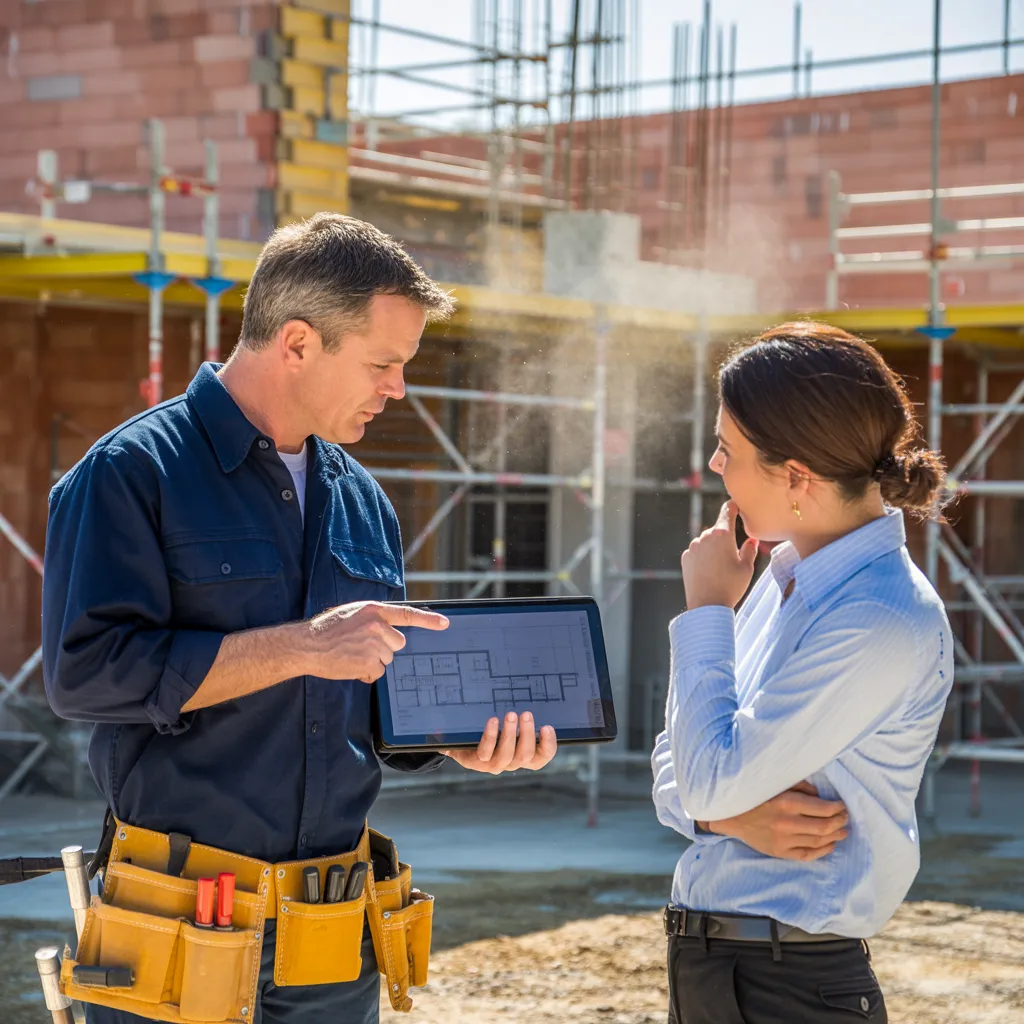
How to Prevent Common Errors When Hiring a Contractor
When choosing a professional contractor, how does one navigate the myriad of choices without encountering frequent pitfalls? Homeowners often neglect key considerations that can cause unfavorable outcomes. Initially, focusing only on pricing can be problematic; the most affordable estimate may signify subpar quality or hidden costs. In addition, neglecting to check references or online reviews can cause you to hire a contractor with a problematic background. One must also avoid making decisions based on charisma alone; a likable contractor may not possess the necessary skills or reliability. Beyond that, neglecting to set clear communication and goals can result in confusion and disappointment. Lastly, not reviewing contracts thoroughly before signing can result in unexpected obligations or lack of protection. By remaining cautious and well-informed, homeowners can make more confident decisions, which ultimately results in a successful outcome.
What You Should Look For in a Contractor's Experience
When assessing a contractor's expertise, several key factors come into play. Relevant project experience, professional certifications, and an extensive portfolio of completed work act as essential measures of their abilities. Evaluating these aspects can provide valuable insights into the contractor's suitability for the specific project at hand.
Related Project Experience
Evaluating a contractor's pertinent project background is essential for securing favorable results for any construction venture. Prospective clients should evaluate the contractor's portfolio, concentrating on completed projects aligned in complexity and approach with their own. This involves analyzing the quality of workmanship, adherence to timelines, and fiscal responsibility in earlier assignments. In addition, it is advantageous to inquire about the kinds of materials employed and the contractor's understanding of local building codes and regulations. Reviews and recommendations from former clients can shed light on the contractor's trustworthiness and conversational competence. Ultimately, a contractor with extensive professional background can navigate challenges effectively, ensuring the project meets the homeowner's goals and requirements.
Trade Certifications And Licenses
Certification and licensing function as key markers of a contractor's professionalism and expertise in the construction industry. When selecting a general contractor, it is vital to verify that they maintain the necessary licenses mandated by local and state authorities. These licenses reflect compliance with building codes and safety standards. Additionally, industry credentials, such as those from the National Association of Home Builders or related professional bodies, reflect a contractor's devotion to high standards and professional development. Contractors with specialized certifications may also exhibit skills in targeted fields, such as eco-friendly building or home improvement. Ensuring that a contractor has the appropriate credentials not only enhances confidence in their capabilities but also minimizes potential legal and financial risks during the project.
Gallery Of Finished Projects
A contractor's showcase of completed work functions as an invaluable tool for gauging their skills and expertise. This selection should highlight a diversity of assignments, illustrating adaptability in various styles and levels of complexity. When reviewing a body of work, potential clients should pay attention to high-quality photographs that clearly depict the workmanship on display. It is also helpful to see completed jobs that match the homeowner's particular requirements or design vision. Meticulous craftsmanship, innovative solutions, and adherence to timelines are key signs of a professional's proficiency. Furthermore, customer reviews or project summaries presented in the check article showcase can offer greater understanding into the builder's dedication and trustworthiness. At the end of the day, a robust project collection can assist clients reach confident conclusions about their future work.
How to Verify Your Contractor's Credentials and Licenses
Prior to hiring a general contractor, it is crucial to check their credentials and licenses to ensure they meet industry standards. Initiate the process by contacting local licensing boards to verify that the contractor possesses the required licenses for your location and project type. Each state maintains its own standards, so understanding these can prevent future complications.
Moreover, check on insurance policies, including liability protection and workers' compensation, to ensure safeguarding from any accidents or damages that may occur. Obtain references from prior clients and check in to measure their reliability and satisfaction.
Lastly examine whatever certifications the contractor has obtained, as they frequently reflect specialized expertise and commitment to industry standards. A thorough review process not only confirms conformity but also establishes assurance in the contractor's ability to complete the project successfully.
The Importance of Communication in Your Contractor Relationship
Effective communication plays a pivotal role in the contractor-client relationship, determining the trajectory of success from the start. Transparent discussion sets expectations, timelines, and financial parameters, guaranteeing that both sides remain in agreement on the project's objectives. When clients express their goals with precision, contractors can deliver well-considered advice and effective solutions, enhancing the overall outcome.
Regular updates and open lines of communication enable quick resolution of issues as they arise, reducing the likelihood of delays. Additionally, a contractor who attends to and acts on client feedback builds confidence, which is essential for collaboration.
In addition, effective communication helps in managing changes and unexpected challenges, keeping the project on track. It gives the contractor the ability to adapt methods based on client guidance, ensuring satisfaction throughout the process. Ultimately, prioritizing communication not only strengthens the contractor-client relationship but also greatly contributes to the successful completion of the home project.
Essential Questions to Ask Your Contractor in Initial Meetings
In initial meetings with a contractor, clients should prioritize understanding their experience and qualifications. It's essential to inquire about the expected timeline and overall budget to guarantee alignment with the client's expectations. These questions form a foundation for a successful partnership and effective project management.
Expertise and Credentials
Identifying a general contractor is based on understanding their qualifications and experience. Home improvement clients should look into the contractor's years in the industry and the variety of projects they have undertaken. Direct questions regarding licenses, certifications, and insurance are essential, as these confirm alignment with local requirements and deliver security during the work. Moreover, assessing prior projects through project samples or references can offer insight into the contractor's reliability and craftsmanship. It is also valuable to explore their experience with comparable projects, as this can indicate their capacity to address unique challenges. At the end of the day, assessing a professional's experience and qualifications builds trust and allows residents reach well-considered decisions about their renovation projects.
Project Schedule and Budget
How can homeowners make certain their project keeps moving forward financially and temporally when consulting with a general contractor? To maintain alignment, they should raise important questions during early consultations. Homeowners need to find out about the projected schedule for finishing the project and any potential delays that could occur. Knowing the contractor's method for handling timelines is vital. Additionally, addressing finances early on is necessary; homeowners should ask for specifics regarding cost estimates, payment schedules, and any included contingencies for unanticipated expenditures. Reviewing prior completed jobs can provide insight into the contractor's reliability in meeting deadlines and adhering to financial plans. By building transparent discussions regarding timelines and finances, homeowners can develop a collaborative dynamic with their contractor, improving the chances of a successful project.
Advice for Evaluating References and Analyzing Reviews
What actions should a person take to confirm a general contractor is dependable? Initially, it is important to obtain a list of references from candidate contractors. A trustworthy contractor will willingly supply names and contact details of past clients. It is advisable to contact these references to ask about their encounters, concentrating on factors such as communication, workmanship, and compliance with schedules.
Additionally, checking online reviews on websites such as Google, Yelp, or the Better Business Bureau can provide valuable insights. It is essential to look for patterns in the reviews—consistent praise or criticism can reveal dependability or underlying problems.
Furthermore, investigating complaints lodged with local regulatory authorities or consumer agencies can highlight a contractor's history. Lastly, inquiring about up-to-date project images can help assess the quality of their work. By taking these steps, homeowners can make a better-informed choice when choosing a general contractor.
An Overview of Contractor Pricing and Payment Terms
Homeowners should also familiarize themselves with typical payment arrangements. Many contractors expect an initial deposit and subsequent payments aligned with project milestones. Clarifying these terms prior to signing a contract is crucial to prevent any misunderstandings. Additionally, homeowners should inquire about potential additional costs, such as permits or unexpected repairs. Open dialogue about pricing and payment terms fosters a transparent working relationship, which ultimately contributes to a successful project. Being aware of these factors enables homeowners to make well-informed choices when choosing a general contractor.
Popular Questions We Receive
How Long Will the Project Take to Complete?
Project completion time commonly fluctuates based on complexity and scope. Generally, it may take several weeks to months. Variables including weather patterns, material supply, and workforce availability may considerably affect the projected completion date.
What Happens if Unexpected Issues Arise During Construction
When unforeseen challenges emerge throughout the construction process, the contractor routinely examines the issue consults with the homeowner, and suggests remedies. Adjustments to the timeline and budget may be necessary, ensuring transparency throughout the process.
Will My Project Need Permits and Inspections?
The majority of projects need permits, licenses, and inspections to ensure compliance with local building codes. It is important to work with a professional general contractor who understands these requirements, as they can navigate the permit acquisition process successfully.
How Do You Deal With Subcontractors and Their Payments?
A reliable contracting professional manages subcontractor teams by developing well-defined contracts specifying payment conditions. They secure prompt compensation, foster open communication, and monitor subcontractor performance, encouraging a collaborative work culture that promotes the success and efficiency of projects.
What Is Your Policy Regarding Project Changes or Upgrades?
The contractor upholds a adaptable stance to project modifications, requesting written records for any upgrades. They ensure transparent communication, evaluate cost impacts, and revise timelines appropriately to accommodate the client's developing needs and expectations.